
Understanding Home Siding Styles
Siding plays a major role in both protecting your home and defining its exterior appearance. Beyond choosing the right siding material, the profile and installation style can dramatically change the character of a home.
While there are many siding profiles and design options available, these are some of the most common styles you’ll see on residential homes.
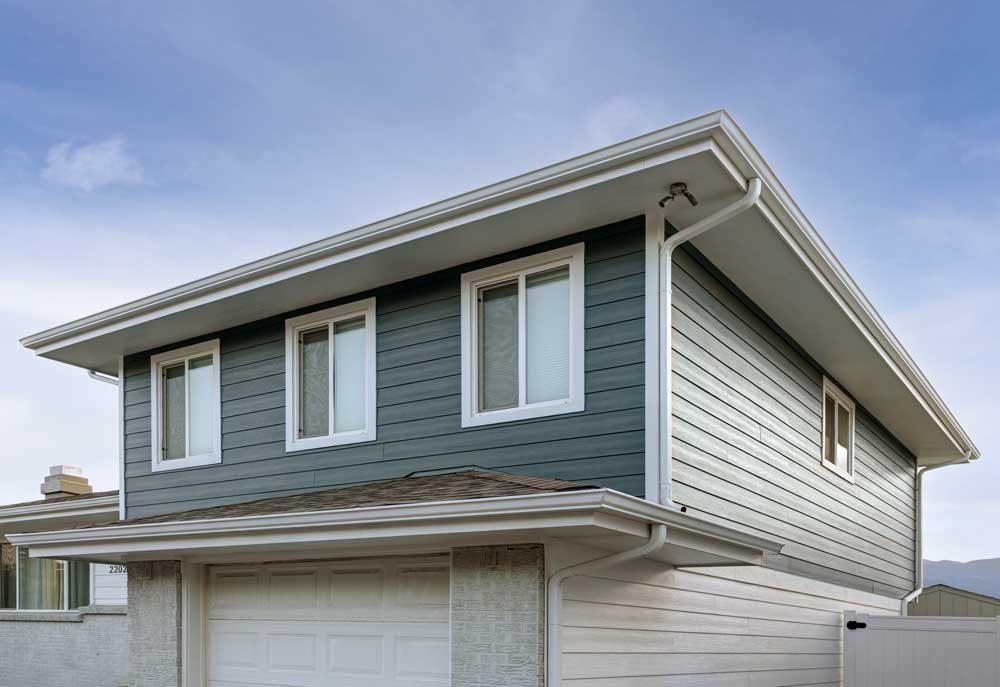
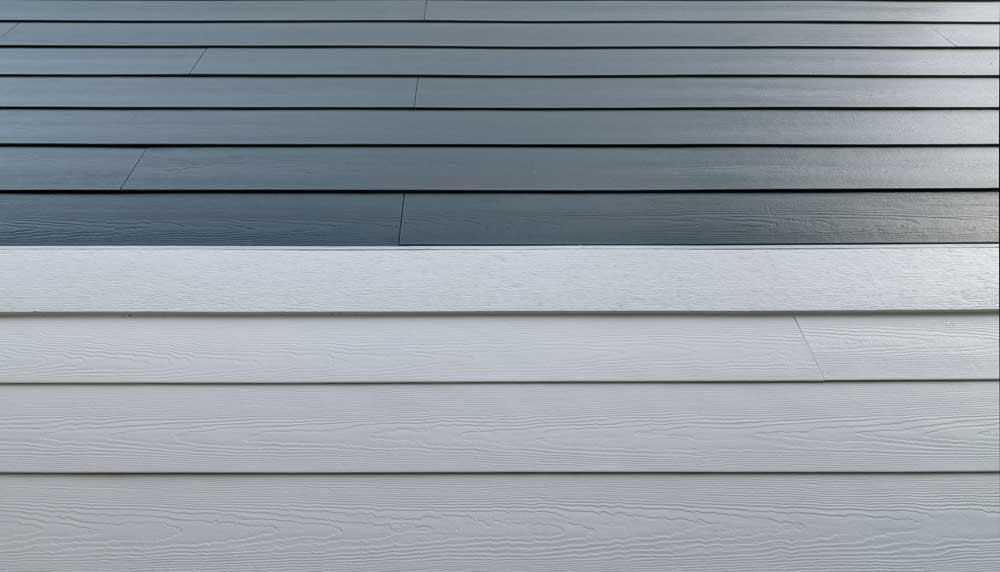
Lap Siding
Horizontal boards installed in overlapping rows.
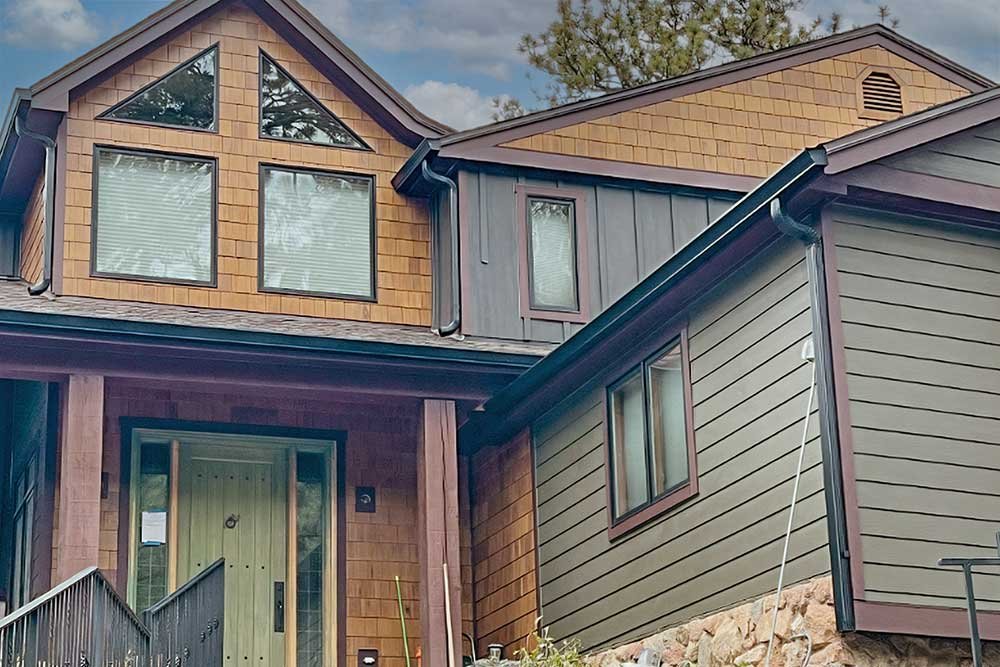
Lap siding is one of the most recognizable siding styles and works across a wide range of architectural designs. Its clean horizontal lines can create anything from a traditional exterior to a more modern look depending on the product, exposure, color, and surrounding details.
Commonly used for: Full-home siding, traditional designs, modern exteriors, and mixed-material elevations.
Board & Batten Siding
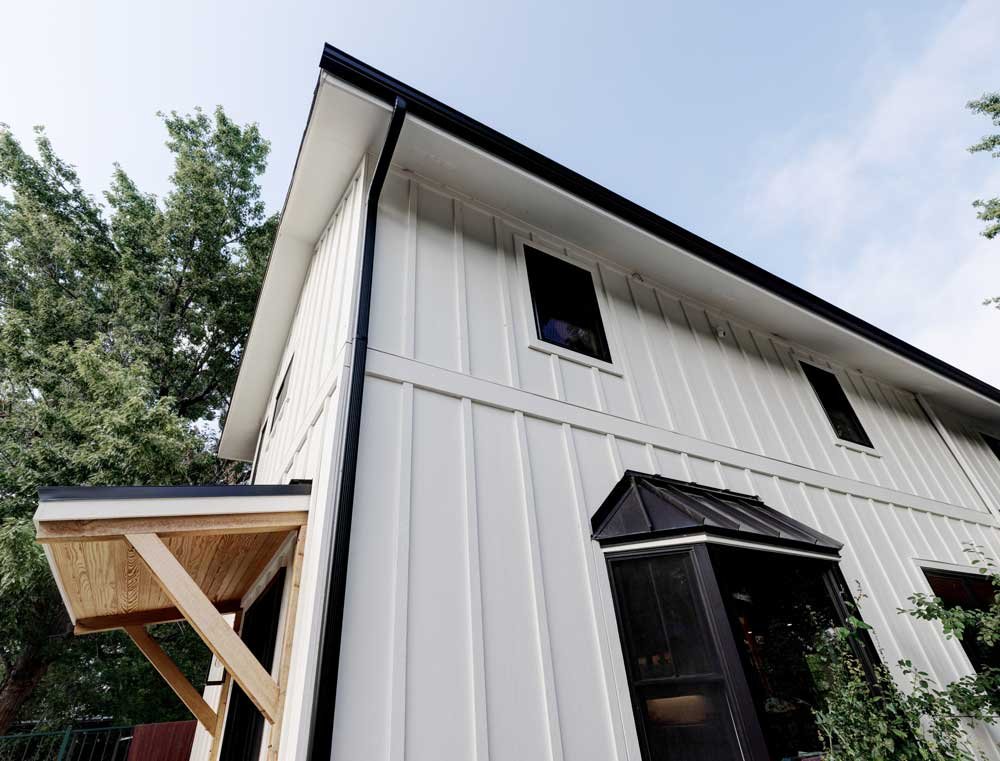
Vertical siding defined by alternating wide boards and narrow battens.
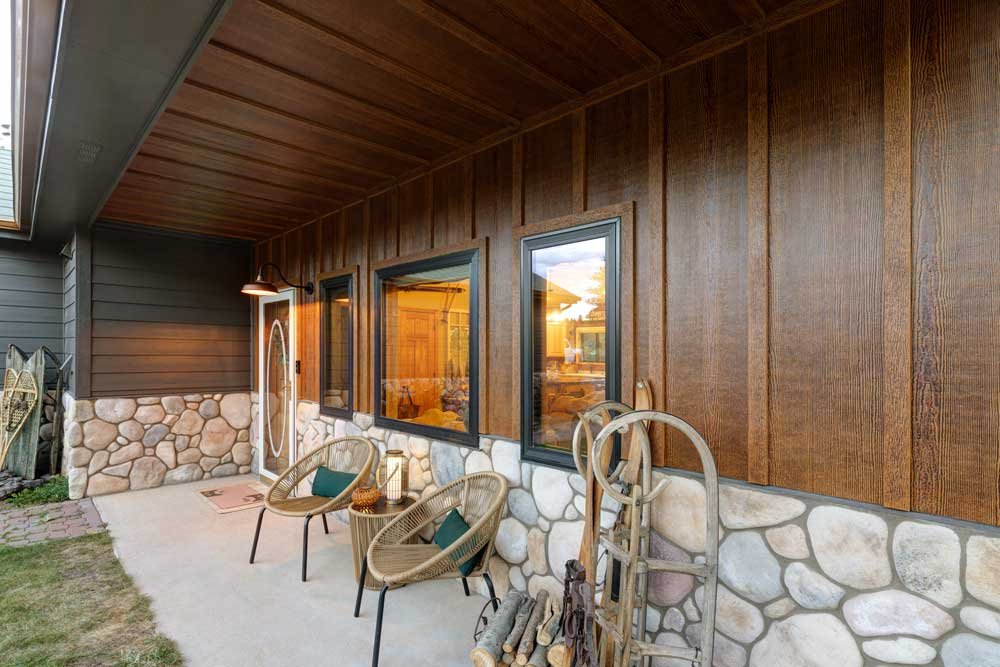
Board and batten introduces strong vertical lines to the exterior of a home. It can be used across an entire elevation or as an accent alongside lap siding, stone, or other materials.
Its vertical orientation can also help visually emphasize height and architectural features.
Commonly used for: Gables, accent areas, modern farmhouse designs, contemporary homes, and full-home applications.
Straight Edge Shake
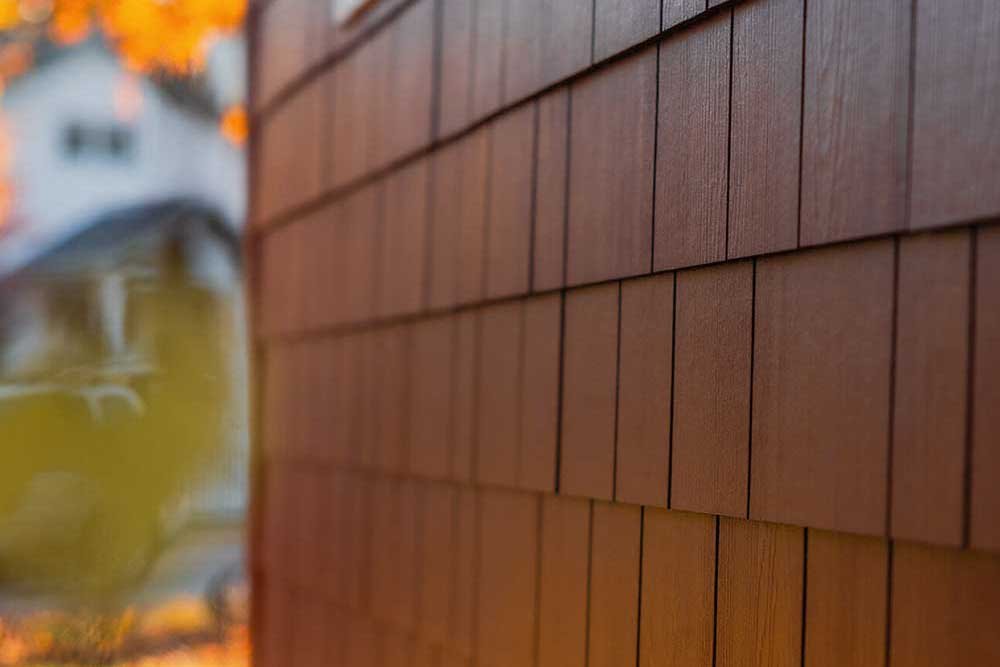
Individual shake-inspired courses with a clean, consistent bottom edge.
Straight edge shake siding brings additional texture and dimension to an exterior while maintaining a more uniform appearance. The consistent edge creates a structured look that works well as either an accent or a larger design element.
Commonly used for: Gables, dormers, accent areas, upper elevations, and homes where additional texture is desired.
Staggered Edge Shake
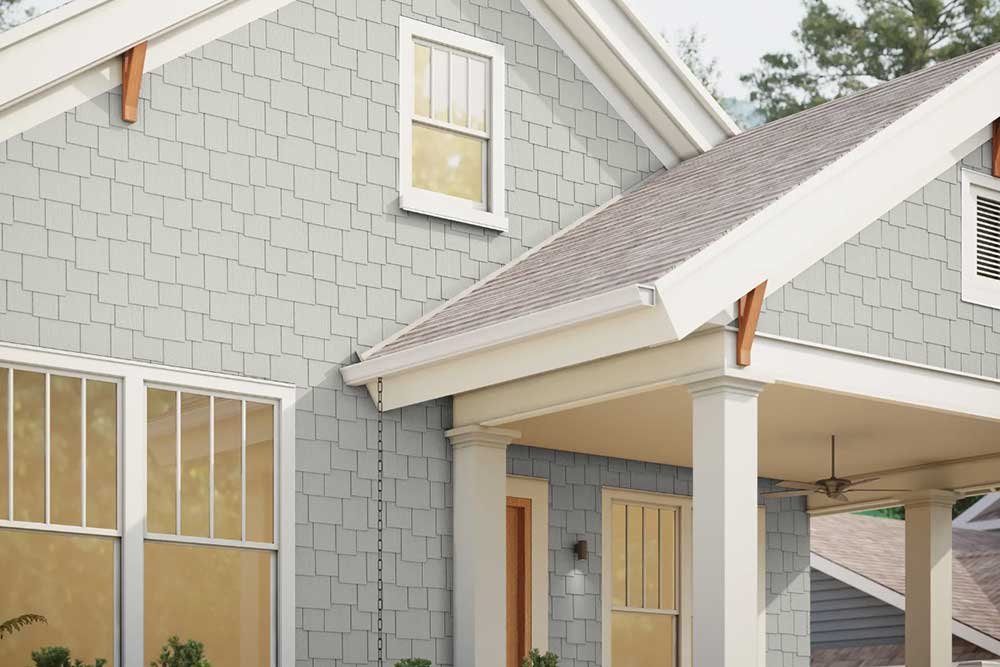
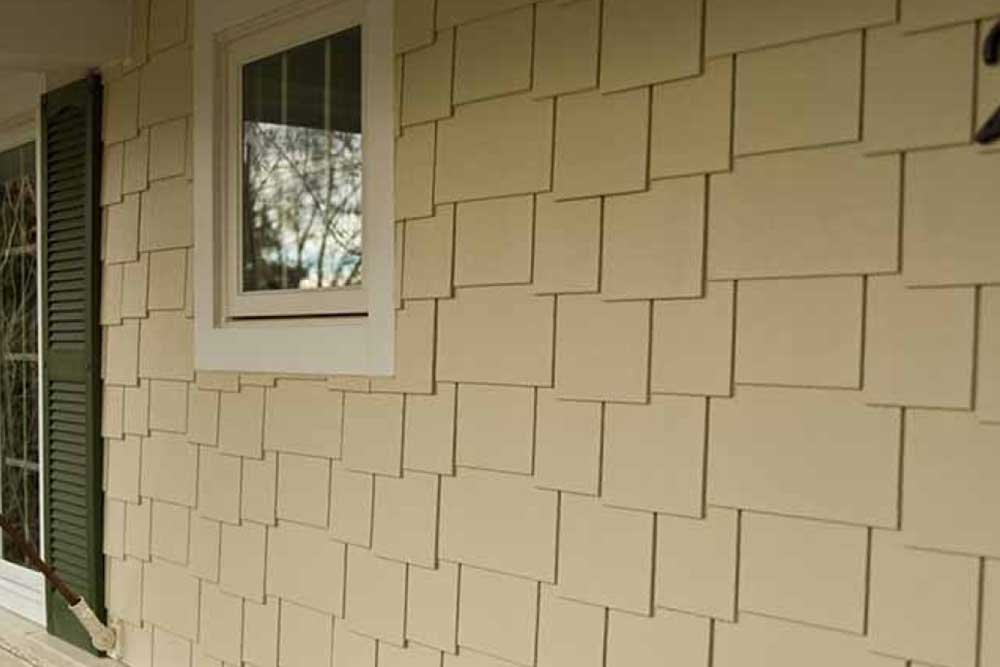
Shake-inspired siding with an intentionally varied bottom edge.
Staggered edge shake creates a more handcrafted, dimensional appearance than a straight edge profile. The variation between shakes adds visual movement and can give an exterior a more rustic or distinctive character.
Commonly used for: Gables, dormers, accent areas, cottage-inspired homes, and architectural focal points.
Finding the Right Siding for Your Home
These profiles are just a starting point. Siding options can vary significantly depending on the material, manufacturer, product line, texture, exposure, and design of your home.
Your Project Guide can walk you through the styles available within the siding product you choose and help determine which profiles—or combination of profiles—best complement your home’s architecture.
Not every siding option has to look the same. Combining profiles thoughtfully can add depth and character while still creating a cohesive exterior.