Many homeowners choose vinyl siding due to its relatively low cost, seemingly low maintenance, and variety of colors and styles. However, vinyl siding has many drawbacks. Understanding potential problems with vinyl siding can help you as a homeowner make a truly informed decision about whether it’s the right choice for your home.
Susceptibility to Damage from Extreme Temperatures
One of the most significant drawbacks of vinyl siding is its vulnerability to temperature extremes, which we see more and more in the Colorado climate. While vinyl handles moderate weather conditions fairly well, it is susceptible to damage in very hot and very cold conditions. High temperatures can cause vinyl siding to warp or melt, even just from direct sunlight. On the other hand, freezing temperatures can make vinyl brittle, increasing the likelihood of cracks or breakage if the siding is impacted by objects like branches or hail.
Did you know that BBQ grills can easily melt vinyl siding making them among the most common and costly mistakes that we see with vinyl siding? Unfortunately, we often cannot exactly match the small amount of siding needed to replace the melted boards forcing us to replace a whole wall, if not more.
Weakness to Severe Weather
While vinyl siding is relatively durable in calm weather, it’s not a good choice for areas that experience severe weather conditions like blizzards, tornadoes and hurricanes, high winds or hailstorms. Strong winds can tear off vinyl panels, while hail can leave dents and cracks. This kind of damage is not only ugly but can also affect the siding’s ability to protect your home from the elements.
Moisture and Water Damage
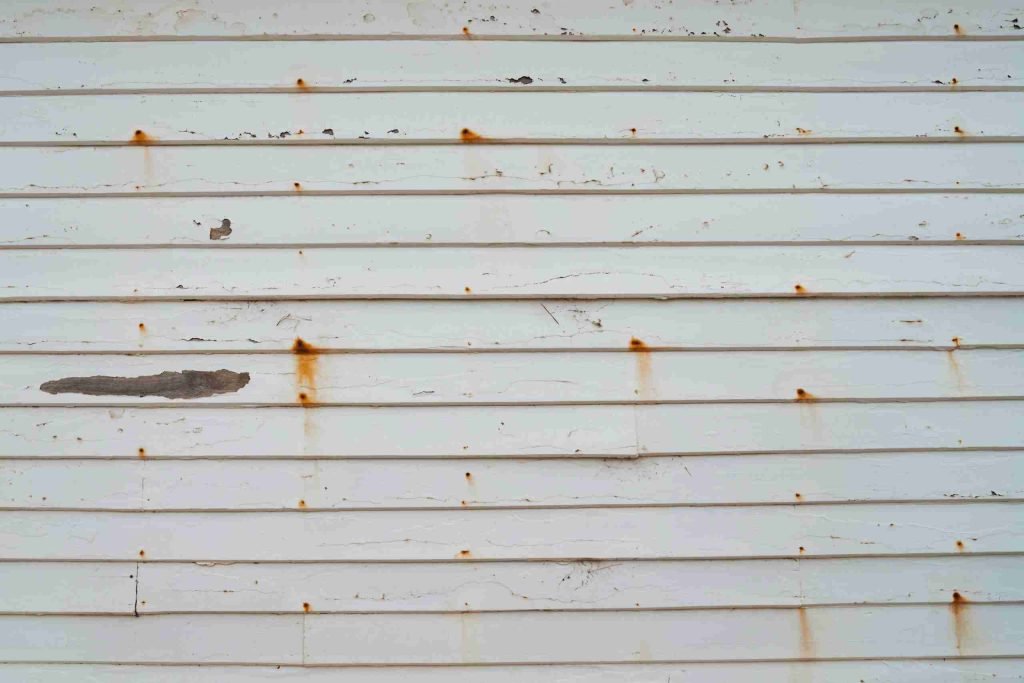
Vinyl siding is not watertight, and poor or improper installation can allow water to seep behind it. When water gets trapped behind siding, it leads to moisture buildup. This creates a ripe environment for mold, mildew and wood rot. This can compromise the structural integrity of your home over time and lead to expensive repairs and mitigation costs. Warped siding, mold in the interior of your home, and musty odors are all unpleasant signs a home may have this problem.
Fading and Limited Design Options
Even though vinyl siding retains its color over time, it can still badly fade, especially when exposed to direct sunlight like we have in Colorado’s higher altitude. Over the years, the colors that once beautified your home can become dull and washed out. Unlike wood or fiber cement siding, vinyl cannot be easily repainted, which means that if you want to fix or change the look of your home, you’ll need to replace the siding entirely. In the long run, this can make what seemed like a budget-minded purchase cost more than you accounted for. Most affordable vinyl siding only comes in lighter colors which really limits aesthetic based on color. White, light greys and light tans creates a great limitation unless you want to pay for more expensive colors which can then compete with James Hardie prices.
Most affordable vinyl siding only comes in lighter colors which really limits aesthetics based on color. White, light greys and light tans creates a great limitation unless you want to pay for more expensive colors which can then compete with Hardie prices.
Environmental Concerns
Vinyl siding is made from polyvinyl chloride (PVC), a type of plastic. The production process for PVC involves the release of harmful chemicals, including dioxins, which have environmental and health concerns. Additionally, while vinyl is marketed as a low-maintenance material, it’s not biodegradable and recycling options are limited, making disposal problematic. This makes vinyl far less eco-friendly compared to other siding materials like wood or fiber cement.
Risk of Toxicity from Fire
As mentioned earlier, vinyl siding is made from PVC, which is a flammable material. While it does not ignite easily, it can melt and burn if exposed to direct flames, such as from a nearby wildfire, barbecue grill, or other fire sources. When it burns, vinyl releases toxic fumes that can pose a risk to the occupants of the home and the environment.
Is Vinyl Siding Your Best Choice?
Vinyl siding seems to offer a lot in terms of affordability, low maintenance, and variety. However, it is crucial for you as a homeowner to be aware of its drawbacks. Issues like susceptibility to extreme temperatures, water damage, and environmental concerns can impact the long-term benefits of vinyl siding. For those living in areas with severe weather, or who prioritize sustainability and high-end aesthetics, other siding options are worth exploring.
If you’d like help understanding and considering these factors, reach out to us at Homestead Exteriors, your expert in siding and windows for your home’s exterior.